

When is a dog considered a senior? Is it when they start getting a little slower on walks? When their muzzle turns a distinguished salt-and-pepper? Or is there an actual age where the switch flips?
Good news: there is a real answer…and like most things in the dog world, it’s a little more nuanced than a single birthday. The moment when a dog is considered a senior depends heavily on size, breed, genetics, lifestyle, and general health. And while the senior years absolutely deserve respect, they’re definitely not a doom-and-gloom era. In fact, with the right care, these can be some of your dog’s happiest, coziest, most deeply bonded years.
Let’s walk through the age milestones that matter—and what to do at each stage to help your pup thrive.
🧠 Quick Take:
Dogs are considered seniors once they enter the last 25% of their expected lifespan—usually around age 6 for giant breeds, 7–8 for large dogs, 8–10 for medium dogs, and 10–12 for small breeds.
Why You Should Keep Reading:
Senior care isn’t just about age—it’s about early wellness exams, better nutrition, joint support, and catching subtle changes before they become big issues. Knowing the signs can add years to your pup’s comfort and mobility.
We humans tend to think of “senior” as a universal category—usually around 65, if you’re going by human retirement age. But dogs don’t age evenly across breeds. A Great Dane at 7 is basically the canine equivalent of a 65-year-old human. A Chihuahua at 7? More like a spry adult who still hits Zumba twice a week.
Veterinarians usually define a senior dog as one who has entered the last 25% of their expected lifespan. That sounds technical, but it’s actually a great way to think about it because it lets you tailor your dog’s care to their reality, not a generic chart.
Still, charts are helpful—so let’s look at those averages.
Here’s the age at which most dogs enter their senior years:
Small breeds (<20 lbs): 10–12 years
Medium breeds (20–50 lbs): 8–10 years
Large breeds (50–90 lbs): 7–8 years
Giant breeds (90+ lbs): 5–6 years
Size is the biggest factor that determines aging speed. Small dogs often live 14–18 years; giant breeds may live 8–10. That’s why a 6-year-old Great Dane can be considered senior while a 6-year-old Yorkie is barely out of their party-animal stage.
But breed matters too. For example:
Border Collies often stay energetic well into their double digits.
Bulldogs, on the other hand, may show senior signs earlier due to breed-specific breathing issues.
Sighthounds tend to age gracefully, while
Brachycephalic breeds (Frenchies, Pugs, Shih Tzus) may need senior-style care sooner.
So instead of waiting for a single milestone birthday, it’s better to shift your dog’s care as soon as subtle changes start showing up.

Dogs are masters of pretending they’re fine. They could have a sore back, stiff joints, and a toothache and still happily trot after a squirrel. So instead of waiting for full-blown symptoms, keep an eye out for these early senior cues:
Slower morning movement or stiffness after naps
More naps overall, especially deeper sleep
Difficulty jumping onto beds, couches, or into the car
Subtle changes in weight—either up or down
Hearing or vision changes
Lower tolerance for intense play
Changes in appetite
A little more grumpiness with puppies or noisy kids
More separation anxiety or clinginess
Cloudy eyes, which could indicate lenticular sclerosis (normal aging) or cataracts (not normal)
You don’t need all of these to consider your dog “senior.” One or two, paired with their age and breed, are usually enough to start making small adjustments to their health care.

Once your dog hits the early edge of the senior age range for their breed/size, it’s time to shift from standard checkups to senior wellness exams, typically every 6 months.
Why more frequent exams? Because dogs age faster than we do. A lot can change in a year. Twice-yearly exams keep you ahead of developing issues like arthritis, heart disease, kidney changes, thyroid conditions, dental problems, and cognitive decline.
A senior wellness check usually includes:
Full physical exam
Bloodwork (CBC and chemistry panel)
Urinalysis
Thyroid screening
Weight and body-condition assessment
Mobility check
Dental exam
Screening for heart disease or hypertension
Discussion about pain management or arthritis supplements
If your dog has breed-specific risks (like cancer in Golden Retrievers or heart disease in Dobermans), your vet may add specialty screenings.
Pro tip: Start senior exams before your dog looks senior. Early detection is everything.
Use this checklist to help guide your senior dog’s routine vet visits and stay on top of age-related changes before they become bigger issues.
At each senior wellness exam, your vet may check:
Weight and body condition to monitor muscle loss or weight gain
Joint mobility and gait for early signs of arthritis or stiffness
Dental health, including gum disease, loose teeth, or pain
Heart and lung function through listening and blood pressure checks
Eyes and ears to catch vision or hearing decline early
Skin and coat condition, including lumps, bumps, or thinning fur
Recommended screenings for senior dogs:
Bloodwork and urinalysis to monitor kidney, liver, and thyroid function
Pain or arthritis assessments, especially if mobility has changed
Medication reviews to adjust dosages as your dog ages
Vaccination and parasite prevention updates, tailored to lifestyle
At home, keep an eye on:
Changes in energy levels or behavior
Trouble standing, walking, or climbing stairs
Changes in appetite, thirst, or bathroom habits
New confusion, anxiety, or restlessness, especially at night
Bringing notes or questions to each appointment helps your vet spot patterns over time—and ensures your senior dog gets the personalized care they deserve. Small adjustments now can make a big difference in comfort and quality of life later.
One of the biggest questions pet parents have is:
“Do I need senior dog food?”
Not always! “Senior” is more marketing term than medical one. What really matters is your dog’s:
weight
joint health
digestion
kidney and liver values
activity level
Still, switching to senior-friendly nutrition is important—just maybe not in the bag you expect.
If your dog shows any of these, it’s worth talking diet:
Gradual weight gain
Weight loss despite normal eating
Digestive upset
Slower metabolism
Lower appetite
Increased thirst
Stiffness or arthritis signs
Senior-appropriate diets tend to have:
Fewer calories (for lower metabolism)
More fiber (for digestion)
Joint support ingredients (glucosamine, chondroitin, green-lipped mussel)
Omega-3 fatty acids (for inflammation and brain health)
Moderate, high-quality protein (unless kidney disease requires adjustment)
Some dogs actually thrive BETTER on higher-protein diets as they age—especially active breeds.
Not sure what to feed your aging pup? Check out our guide to the Best Senior Dog Food for Energy, Digestion, and Joint Support
These become more helpful during senior years:
Joint health supplements (like glucosamine, MSM, fish oil, green-lipped mussel)
Probiotics
Antioxidants
Cognitive support (SAMe, MCT oil, DHA)
Just avoid stacking too many supplements without vet input. Sometimes less is more.
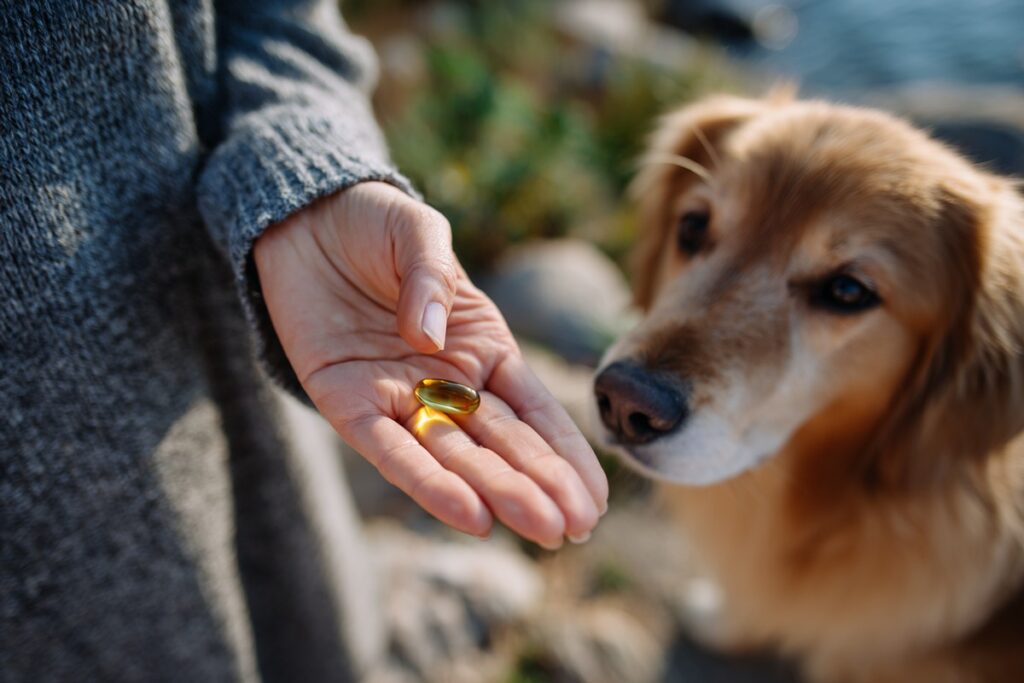
“Senior” doesn’t mean “couch potato.” In fact, stopping exercise is one of the quickest ways for dogs to lose muscle mass, mobility, and confidence.
But how you exercise them will shift.
Low-impact, steady walks
Mental enrichment (snuffle mats, food puzzles, trick training)
Swimming or underwater treadmill if available
Shorter play sessions throughout the day
Gentle strengthening exercises (sit-to-stands, walking over poles)
High jumps
Fast/agility turns
Strenuous fetch marathons
Slick surfaces
Long-distance running unless your dog is conditioned for it
Think of your dog like a retired athlete: still loves activity, just smarter about it.
Just like humans, dogs can develop cognitive dysfunction (canine dementia). The earlier you catch it, the better.
Signs include:
Pacing
Getting “stuck” in corners
Nighttime restlessness
Forgetting routines
New anxiety
Sudden household accidents
Staring into space
If you see these, talk to your vet. There are treatments and management tools that help—diet changes, enrichment routines, and medications can all slow progression.

A lot of dog parents assume their dog will “tell them” when something hurts. Spoiler: they usually won’t.
Senior dogs often hide pain signs, so don’t wait for obvious limping or crying.
Subtle signs of pain include:
Reluctance to jump
Slower to lie down or get up
Change in gait
Less interest in toys
Licking joints
Irritability
Your vet may recommend:
NSAIDs (safe, modern dog-specific ones)
Joint injections
Adequan
Laser therapy
Acupuncture
Physical therapy
If you can do even one or two of these, your dog will thank you for the comfort.
Small changes make a big difference in your dog’s daily comfort:
Add non-slip rugs on slippery floors
Use ramped access for cars and beds
Provide orthopedic beds for joint support
Keep food and water dishes easily reachable
Install night lights for vision-impaired dogs
Use heated pads for stiff joints (with supervision)
Your dog may not be fragile, but they definitely appreciate these thoughtful upgrades.
The simplest answer:
👉 A dog is considered a senior once they reach the last quarter of their expected lifespan—typically between 6 and 12 years depending on size and breed.
But the more meaningful answer is this:
👉 Your dog is a senior when their body starts aging faster than their spirit.
They may still act like puppies, but they need a different kind of care now—care that anticipates what their body needs before problems appear.
Here’s a quick, scannable summary you can use as a checklist:
Start senior wellness exams
Track joint health closely
Add joint supplements early
Switch to easier routines (ramps, orthopedic beds)
Consider senior diet adjustments
Watch weight closely
Maintain consistent, moderate exercise
Introduce cognitive enrichment toys
Increase vet exam frequency
Monitor dental health (common issue in small dogs)
Watch for early cognitive changes
Maintain high-quality protein to preserve muscle
Even a 5-year-old could use senior-style care if they’re showing stiffness, anxiety, or sensory decline. No shame—just adjust as needed.
If you’re reading this because your dog is creeping into the senior bracket—congratulations. Truly. Senior dogs bring a level of sweetness and connection that’s almost hard to describe. They know your routines, your moods, your weird habits, and every comfortable spot in the house.
The goal isn’t to stop aging (if only!). It’s to support your dog through it with thoughtful changes, proactive care, and the same love they’ve given you for years.
Because when a dog becomes a senior, the biggest milestone isn’t their age.
It’s the deep, quiet joy of growing older together.