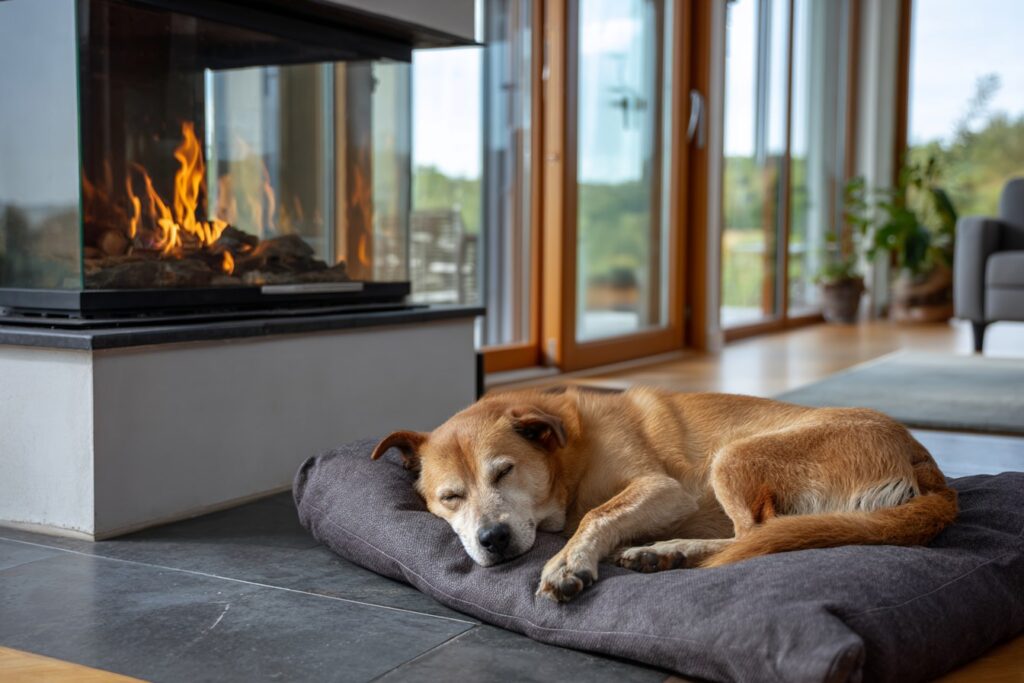

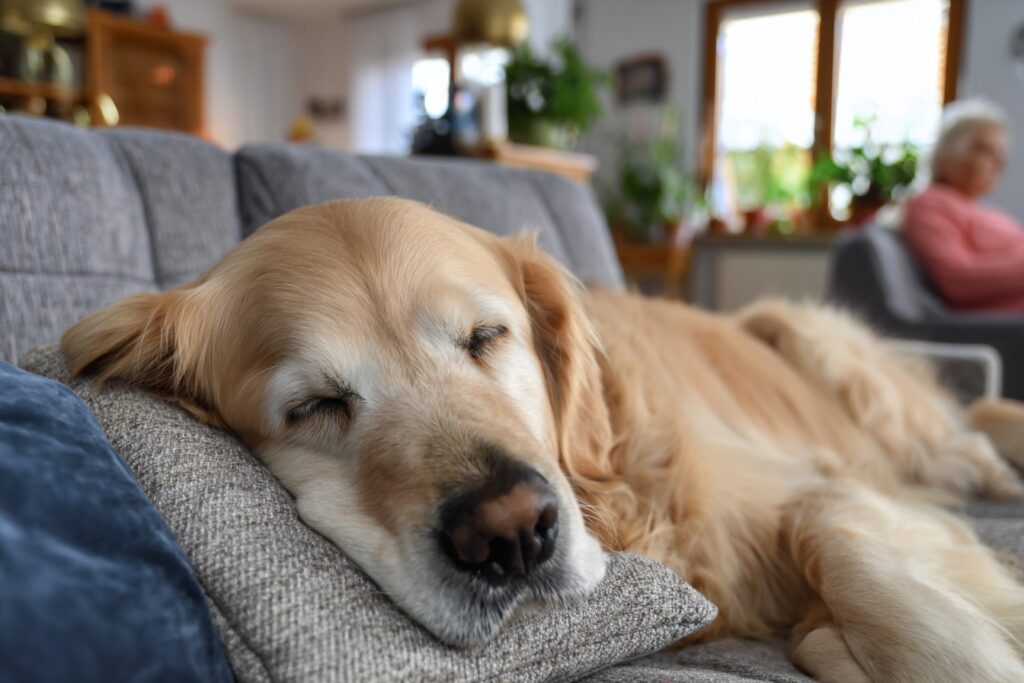
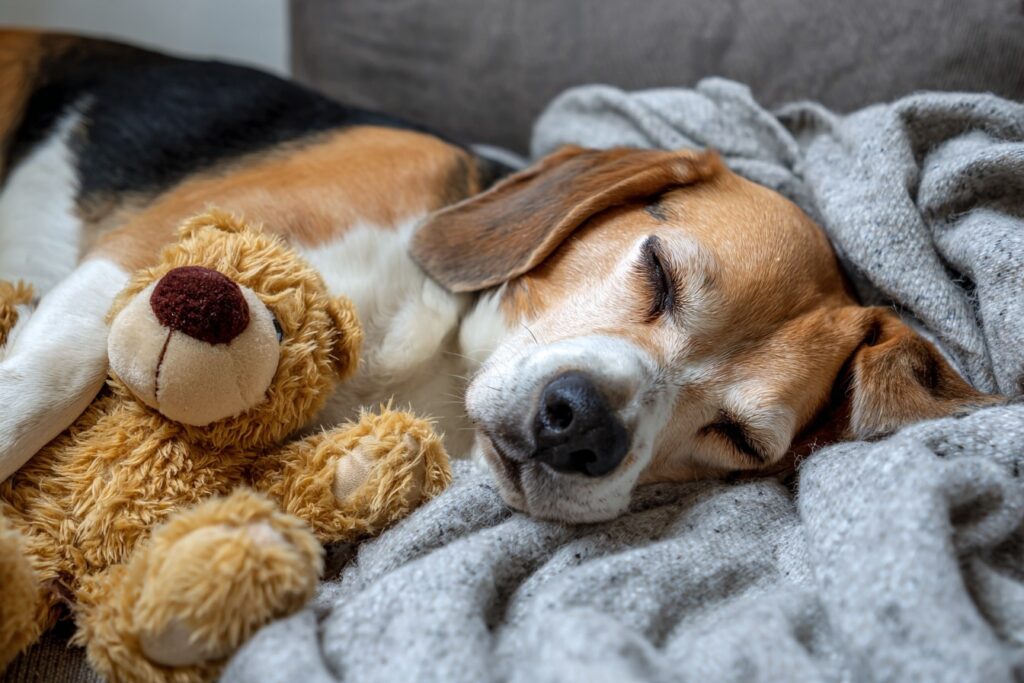
Is your senior dog snoring like a little freight train at night all of the sudden? You’re not alone. Many pet parents notice changes in their dog’s sleep patterns and breathing as they get older.
While some snoring is perfectly normal, other times it can be a clue that something more is going on.
Let’s break down the common causes of snoring in older dogs, when to worry, and what you can do to help your furry friend breathe easier and sleep more comfortably.
🧠 Quick Take:
A little snoring in older dogs is usually harmless—caused by relaxed muscles, sleep positions, or mild congestion. But sudden, loud, or labored snoring may signal a health issue.
Why You Should Keep Reading:
Find out the common causes of senior dog snoring, when to see your vet, and simple ways to help your pup sleep more comfortably with the right bed, humidifier, and cooling aids.
Snoring happens when something partially blocks the flow of air through your dog’s nasal passages or throat, causing those tissues to vibrate. While younger dogs can snore too, senior pups are more prone because:
Muscle tone decreases with age → Throat and airway muscles loosen, making it easier for tissues to vibrate.
Weight gain → Older dogs tend to slow down, and extra weight can put pressure on the airway.
Breed anatomy → Flat-faced breeds (like Pugs or Bulldogs) are already predisposed to noisy breathing, which often worsens with age.
Allergies or irritants → Dust, pollen, or smoke can inflame nasal passages.
Sleeping position → Just like humans, dogs can snore louder when snoozing flat on their backs.
While many of the same factors apply to dogs of all ages, senior dogs have additional risks:
Nasal congestion or sinus infections – Older dogs may be more prone to recurring respiratory issues.
Dental disease – Gum infections or abscesses can affect nasal passages and cause snoring.
Arthritis & joint pain – Dogs with stiff joints may sleep in awkward positions that make snoring worse.
Laryngeal paralysis – A condition in senior dogs (especially larger breeds) where the larynx doesn’t open properly, leading to noisy breathing.
Obesity-related airway obstruction – Even a few extra pounds can increase pressure on the trachea.
It’s important to distinguish between normal, harmless snoring and snoring that may signal a health issue. Generally, occasional, soft snoring—especially when your dog is deeply relaxed or sleeping in a funny position—is nothing to worry about.
Normal snoring looks like:
Only happens in certain positions (like lying on their back).
Is consistent with your dog’s long-term patterns (not a sudden change).
Doesn’t come with coughing, wheezing, or other breathing struggles.
Snoring can sometimes indicate an underlying health issue that needs a vet’s attention. Call your veterinarian if you notice:
A sudden increase in snoring that wasn’t there before.
Loud, persistent snoring regardless of sleep position.
Breathing difficulties while awake (wheezing, gasping, excessive panting).
Pauses in breathing during sleep.
Other symptoms like nasal discharge, coughing, weight loss, or fatigue.
These can point to issues like sleep apnea, laryngeal paralysis, infections, or even growths in the airway.
Even if your vet finds nothing serious, there are plenty of ways to help your older dog breathe easier and get restful sleep:
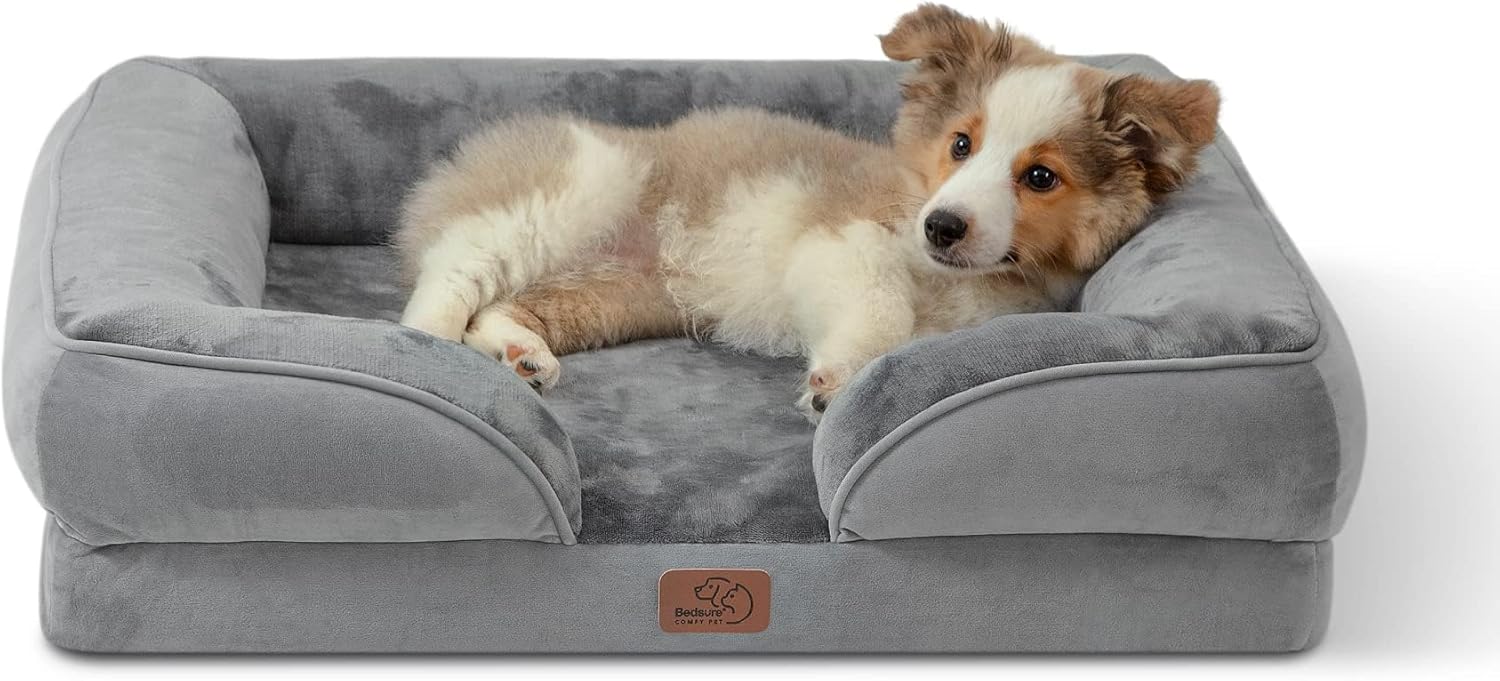
Orthopedic dog beds can help relieve pressure on joints, allowing your dog to sleep in more comfortable positions that don’t restrict breathing. Raised bolster edges can also encourage side-sleeping instead of back-sleeping (which usually makes snoring worse).
We recommend: Bedsure Orthopedic Dog Bed
The 4-sided bolster design promotes ultimate comfort and security, offering your pet a variety of cozy positions to snuggle. The cushioned bolster shape is deeply filled to support your pet’s head and neck for a more restful sleep. And the lowered entrance protects your pet's knees and promotes accessibility.
Senior dogs can overheat more easily, which can make them pant and snore louder. A cooling pad or a bed made with breathable materials can help regulate their temperature and reduce airway inflammation.
We recommend: PetAmi Cooling Mat for Dog
Keep your dog or cat cool and comfortable all summer with the PetAmi Premium Pet Cooling Pad. Made with Q-Max > 0.4 nylon, this upgraded cat cooling blanket has extra cushioning that provides a soft, cloud-like support for pets, making it perfect for lounging, napping, and snuggling.

Dry air irritates nasal passages, especially in the winter months. A humidifier in the room where your dog sleeps can help keep airways moist and reduce congestion-related snoring.
If your dog has packed on a few extra pounds, even a gradual weight reduction can take pressure off their airway and lessen snoring.
Vacuum frequently, wash bedding, and consider an air purifier if your home has dust, smoke, or seasonal allergens that could make breathing harder for your pup.
Need a solid recommendation or two? Check out our picks for the best air purifiers for pet owners.
A little snoring is usually just one of those quirky things that comes with having a senior dog—but it’s always worth paying attention to changes. If your dog’s snoring is new, louder, or accompanied by other symptoms, it’s smart to check in with your vet. Otherwise, you can often help your furry friend sleep more soundly with small changes, like upgrading their bed, adding a humidifier, or keeping their sleeping area cool and allergen-free.
After all, your senior pup deserves to drift into dreamland comfortably—without keeping the whole house awake. 🐾