
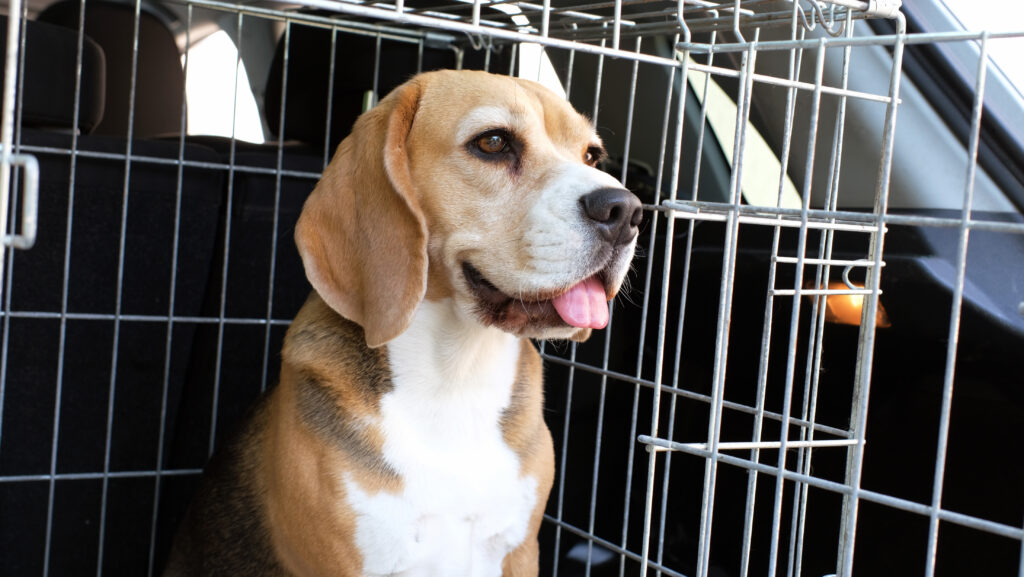
Crate training an older dog can feel… a little intimidating.
Maybe you’re wondering if it’s even possible. Or worrying that your senior pup will feel confused, scared, or resistant.
Here’s the truth: older dogs can learn new habits—especially when those habits make them feel safe, cozy, and cared for.
Whether your dog is recovering from surgery, dealing with anxiety, or just needs a calm retreat of their own, crate training can be a surprisingly loving step. And it doesn’t have to be stressful—for them or for you.
Let’s break it down together: what works, what doesn’t, and how to create a peaceful crate experience that honors your dog’s age and comfort.
Whether your senior pup needs structure, healing space, or just a cozy retreat—crate training can be a gift. Let’s walk through it step by step.
When we think of crates, we often picture wiggly puppies in potty training mode. But the truth is, crates can be just as helpful—and comforting—for older dogs.
For seniors, a crate isn’t about control. It’s about creating a familiar, restful space that feels safe.
Here’s why crate training can be a game-changer for aging pups:
 Think of it like a bedroom—not a cage. The right crate setup—with orthopedic bedding, calming sprays, and their favorite blanket—can turn it into a personal sanctuary your senior dog chooses to relax in.
Related: Best GPS Dog Collars
Perfect for travel days or vet visits—add an extra layer of safety when your pup is outside the crate.
It’s a phrase we’ve all heard: “You can’t teach an old dog new tricks.” But the truth? You absolutely can.
In fact, older dogs often respond better to crate training than puppies—because they already know how to chill, listen, and follow your lead. They just need time, comfort, and consistency.
Why senior dogs are often great learners:
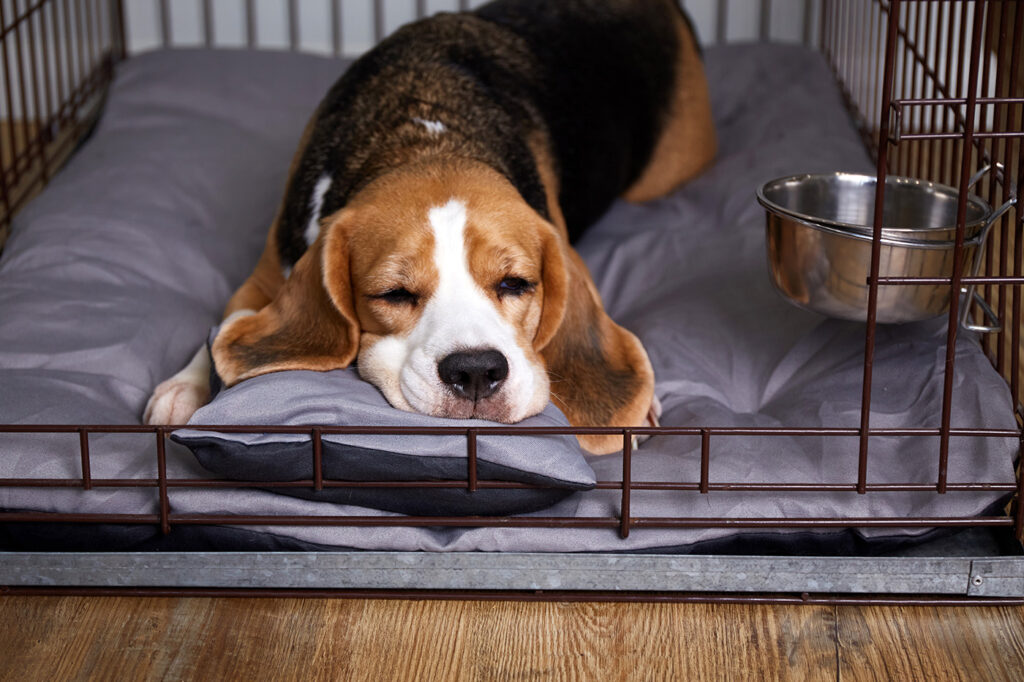
The key to crate training an older dog? Go slow, stay kind, and make it feel like home—not confinement.
Here’s how to do it in calm, confidence-building stages:
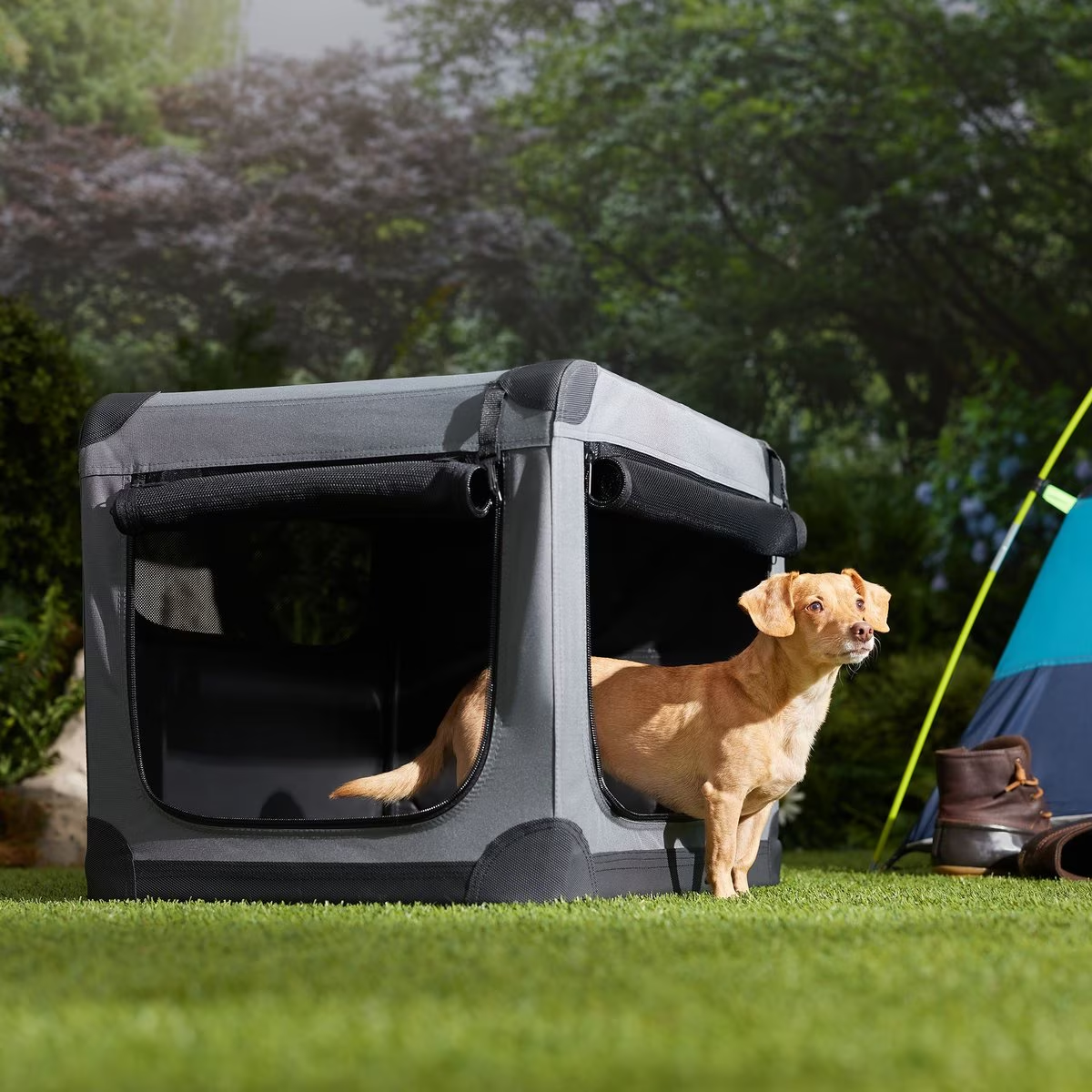
Look for one that’s roomy enough for your dog to stand, turn, and stretch—but still cozy. Wire crates with soft covers or travel-style crates with ventilation both work well.
Try: MidWest Homes iCrate for airflow + visibility, or Frisco Soft-Sided Crate for cozy nappers.
Add a memory foam pad or orthopedic bed inside for comfort.
9.4
xceptional
Set the crate in a low-traffic but visible spot—like a quiet corner of the living room. This way, your dog can still see and hear the family, which helps them feel included, but they won’t be overwhelmed by constant movement or noise.
Avoid tucking it away in an isolated space like the basement, as that can make your pup feel lonely. At the same time, skip placing it right next to busy doorways or the TV, since too much activity may prevent them from relaxing.
Think of it as finding that sweet spot where your senior pup feels both connected and calm.
Line it with a blanket that smells like you or your dog’s favorite resting item. You can even wear an old T-shirt for a few hours and tuck it inside.
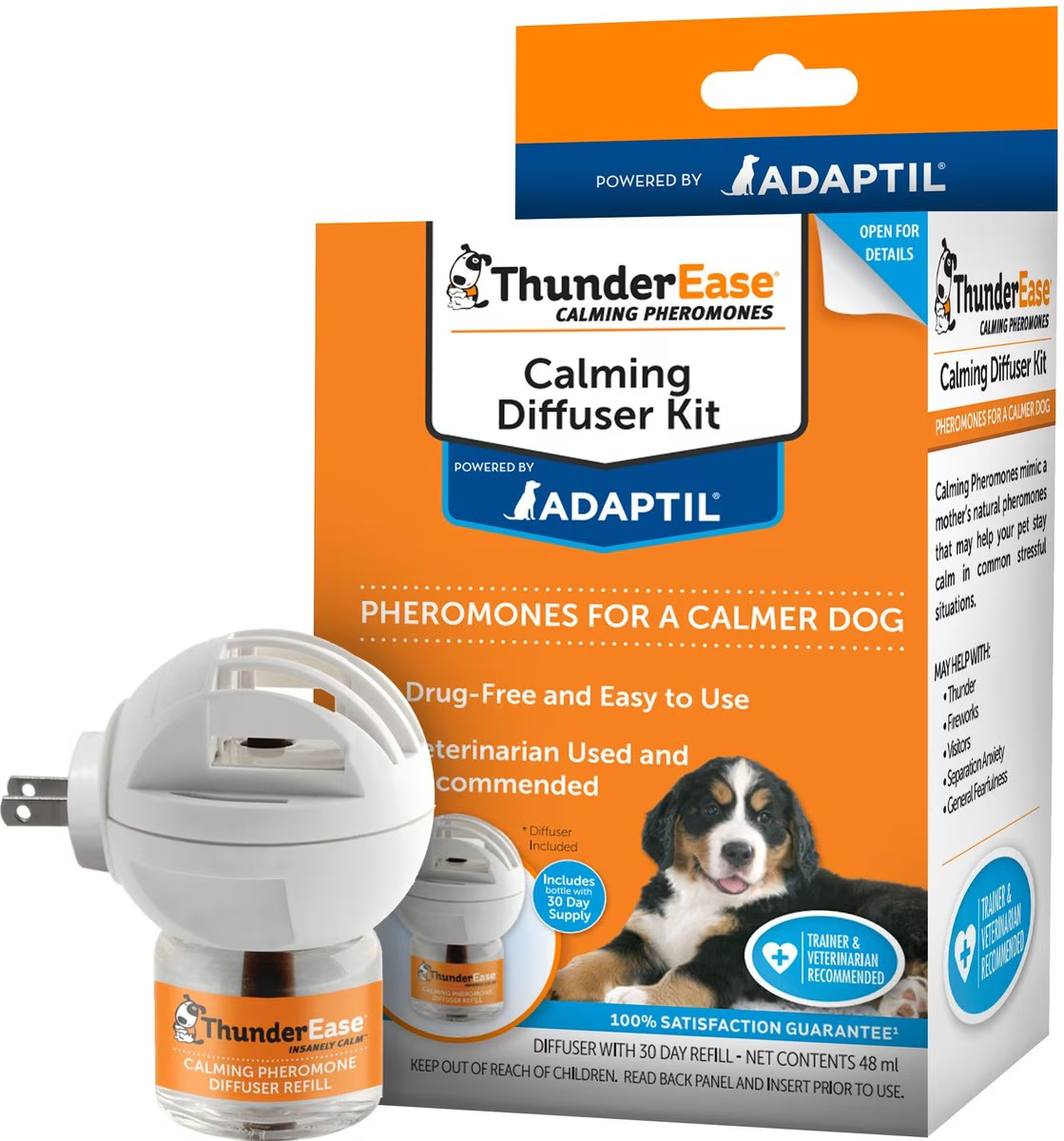
Optional: Add a calming pheromone diffuser nearby like Adaptil Calm Plug-In
8.1
Start with the crate door open so it feels like a welcoming space, not a trap. Gently toss a favorite treat, chew, or toy inside and let your dog approach at their own pace.
Don’t shut the door or coax too hard—just let them sniff, step in, or even poke their head inside. Every tiny sign of curiosity deserves calm praise and maybe another reward.
Over time, those small positive moments add up, teaching your pup that the crate is a safe, rewarding place they choose to enter—not something they’re forced into.
Associate the crate with good things by making it part of your dog’s happy routine. One of the easiest ways to do this is with food.
Start by placing their meals just outside the crate so they’re comfortable eating near it. Once they’re relaxed, move the bowl to the doorway, then just inside, and eventually toward the back of the crate.
Go slowly—there’s no rush. You can also drop in surprise treats, favorite chews, or even a stuffed Kong during the day so your pup learns that stepping into the crate means yummy rewards and comfort.
Over time, your dog will start seeking it out on their own, because the crate has become linked with all the things they love most.
After meals or walks, when your dog is naturally calm and ready to rest, gently guide them toward the crate with a treat in hand. Use a cheerful tone and plenty of praise as they step inside, making the experience feel rewarding rather than forced. In the beginning, keep the door open so they can come and go freely—this helps build trust.
As they grow more comfortable, start closing the door for just a few minutes while you stay nearby, offering soft words of encouragement.
Gradually extend the time to short naps, always making sure they associate the crate with relaxation, not confinement. The goal is for your pup to see the crate as their cozy retreat, not a place they’re “put away.”
Give your dog soft training treats or calming chews whenever they choose to rest quietly in the crate. Timing matters—reward the calm moments rather than the noisy ones, so they learn that relaxation gets them the good stuff. Pair the treat with a calm, cheerful voice and gentle praise, reinforcing the idea that the crate is a safe, peaceful spot. Over time, these positive associations will make your pup more likely to settle in on their own, without fuss.
What Not to Do:
Crate training an older dog isn’t always smooth sailing—and that’s okay. Setbacks are normal, especially when your pup has years of habits behind them.
Here’s how to gently respond to the most common challenges:
This can be a mix of confusion, frustration, or fear—especially early on.
What to do:

9.8
Related: How to Calm an Anxious Dog Naturally
Helpful tips to soothe stress and anxiety—perfect for crate training challenges like whining or barking.
If your dog resists even approaching the crate, it may be too new—or they had a negative past experience.
What to do:
Not always a “training issue”—older dogs can have bladder control challenges, especially if crated too long.
What to do:
Senior dogs with dementia may panic if crated without prep. They need even slower pacing and more reassurance.
What to do:
Remember: Your dog isn’t being stubborn—they’re learning in their own way, with their own story. Patience, not perfection, will move things forward.
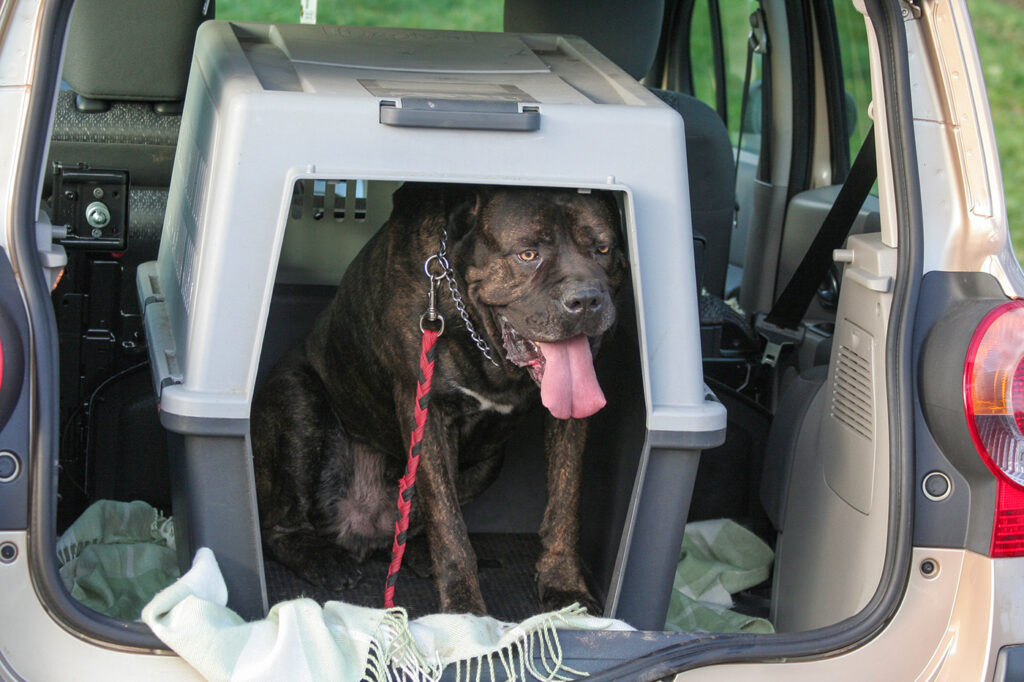
One of the biggest questions dog parents ask is: “How long will crate training take?”
The answer? It depends—on your dog’s age, personality, health, and past experiences.
But here’s what you can expect:
Some dogs fly through this. Others need weeks—or even months—to fully feel safe. That’s okay.
Here’s how to support their pace:
Friendly Reminder: There’s no gold star for speed. The goal isn’t “obedience”—it’s helping your senior pup feel secure, calm, and cared for.
Related: Best Orthopedic Dog Beds for Senior Dogs
Discover cozy, joint-friendly beds that can make your senior pup’s crate (or nap zone) extra comfortable.
While crate training can be wonderful for many older dogs, it’s not a perfect fit for every pup—and that’s okay.
What matters most is understanding your dog’s physical and emotional needs, then choosing the setup that helps them feel safest.
When crating may not be the best option:
Alternative ideas that still create structure and calm:
Bottom line: If the crate isn’t working—don’t force it. Senior dogs thrive when their space is adapted to them, not the other way around.
If you’ve made it this far, you’re not just crate training—you’re showing up for your dog in a meaningful way.
You’re not trying to control them. You’re trying to give them comfort, safety, and peace in their later years. And that’s something to be proud of.
Here’s what you can do next:
Most of all? Trust the bond you already have. Your dog knows you love them. With your guidance, even a new habit like crating can become a source of security, not stress.
If you’ve been browsing supplement labels, you’ve probably seen glucosamine for dogs bundled with other ingredients like chondroitin, MSM, or omega-3s. So… what do all these actually do? And do you need them all?
Let’s break it down.
Common Joint Support Add-Ons:
Chondroitin Sulfate
Works alongside glucosamine to rebuild cartilage and block enzymes that break it down. Think of it as glucosamine’s bestie.
MSM (Methylsulfonylmethane)
An anti-inflammatory that may help reduce joint pain, especially in dogs with arthritis.
Omega-3 Fatty Acids
Found in fish oil, these reduce overall inflammation and support joint, skin, and heart health.
Turmeric / Curcumin
Natural anti-inflammatory with antioxidant benefits—especially popular in holistic blends.
Should you “stack” supplements?
Yes—when done smartly. Many vets recommend combo supplements because the ingredients work better together. But too much of anything can backfire, so:
Choose one well-balanced product rather than piling on multiple supplements
Look for vet-formulated blends with third-party testing
Always talk to your vet before mixing or adding new items to your pup’s routine
Watching your dog age isn’t easy. But small, thoughtful steps—like adding glucosamine for dogs—can make a world of difference in their comfort, energy, and happiness.
You don’t need to have all the answers today. Just asking, “What can I do to help them feel better?” means you’re already doing something right.
Here’s what you can do next:
Bring up joint support at your next vet visit
Try a glucosamine supplement for 30–60 days and observe changes
Add a little bone broth to meals for a natural boost
Bookmark or share this article with a friend whose pup might benefit too
If this guide helped you, or if you’ve tried glucosamine with your own dog—drop a comment below. Your story could help another pet parent feel less alone in this stage of dog life.