

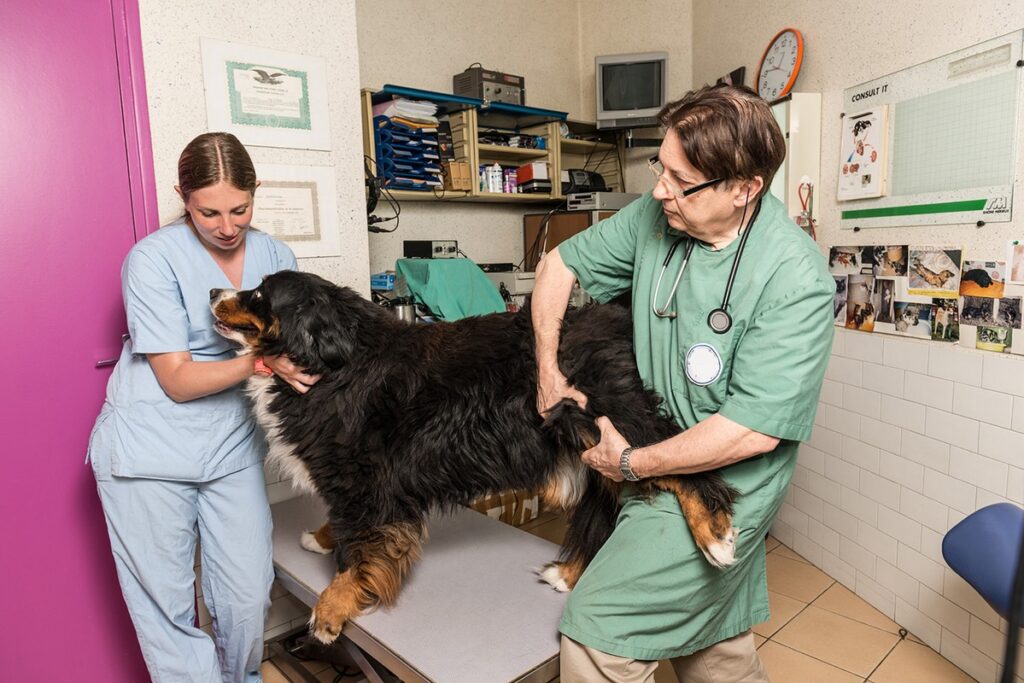
If you’re researching glucosamine for dogs, chances are your pup is starting to slow down.
Maybe they hesitate before hopping on the couch. Or limp just a little after a long nap. These small changes can be the first signs of aging joints—and they’re more common than you think.
The good news? Glucosamine is one of the most trusted supplements for dogs with joint issues. It helps cushion their movements, ease stiffness, and can even improve their quality of life.
In this post, you’ll learn what glucosamine is, how much your dog might need, which types work best, and even what foods naturally contain it. Let’s help your senior pup feel good in their body again.
🧠 Quick Take:
Glucosamine supports aging joints, cushions cartilage, and may ease stiffness. Dogs over 7—especially larger breeds—often benefit from adding it to their routine.
Why You Should Keep Reading:
Learn how the right glucosamine supplement can help your senior pup feel younger, move easier, and stay more active, plus tips on dosage and what to watch for.
At its core, glucosamine for dogs is a naturally occurring compound that helps maintain healthy joints. It plays a big role in creating and repairing cartilage—the stuff that cushions your pup’s bones and keeps them moving with ease.
🦴 As dogs age, their natural glucosamine levels drop. Less cushioning means more stiffness, pain, and creaky movements—especially in larger breeds or dogs with arthritis.
Glucosamine is most commonly given as a daily supplement, but it can also be found in certain foods (we’ll cover those soon). Either way, its main job is to:
Rebuild damaged cartilage
Reduce inflammation
Improve joint lubrication
Think of it like WD-40 for your dog’s joints—keeping everything moving smoother, longer.
If you’ve been wondering, “Does my dog really need glucosamine?”—you’re not alone.
The answer often comes down to signs. Subtle changes in your dog’s behavior can be early clues that their joints aren’t what they used to be.
Common signs your dog may need glucosamine:
They hesitate before jumping or climbing stairs
They limp slightly after rest or long walks
They tire faster during play
They struggle to get up from lying down
They’ve been diagnosed with arthritis or hip dysplasia
And sometimes, the signs aren’t physical—they’re emotional. A dog that seems withdrawn, less playful, or just “not themselves” could be feeling chronic discomfort they can’t explain.
When is the right time to start?
Most vets recommend starting glucosamine for dogs around age 7—earlier for large breeds or those with joint issues in their DNA. Starting before major symptoms appear can actually prevent or slow down joint damage over time.
🩺 Quick Vet Tip: If your dog is age 7+ or already showing signs of stiffness, it’s worth having the “joint health” talk with your vet—glucosamine might be a gentle first step toward more comfort.
Adding glucosamine for dogs into your senior pup’s routine isn’t just a trendy wellness move—it’s backed by real benefits that can make a noticeable difference in their daily life.
Here’s what many pet parents (and vets) see when dogs start glucosamine:
Less stiffness after rest
Especially after long naps or cooler weather, joints move more freely.
More pep in their step
Some dogs regain energy and confidence during walks or playtime.
Reduced pain and inflammation
Glucosamine may help lower joint inflammation, especially in arthritic dogs.
Better joint cushioning
It supports the rebuilding of cartilage, protecting bones from rubbing painfully.
Improved mobility over time
Regular use can help slow the progression of degenerative joint diseases like osteoarthritis.
Worth noting: Glucosamine isn’t a quick fix. It can take 4–8 weeks of daily use before you see visible improvements—but many pet parents say the wait is so worth it.
When it comes to choosing glucosamine for dogs, it’s not one-size-fits-all. The good news? There are plenty of forms to fit every pup’s taste and your routine.
Here’s a quick breakdown of the most common options:
Great for food-motivated pups
Usually flavored like bacon or chicken
Easy to treat like a “daily snack”
Often combined with chondroitin, MSM, or turmeric
Best for: Dogs who think supplements are treats
We recommend: Vet Natural Daily Senior Overall Wellness.
9.7
Exceptional
Fast-absorbing and easy to mix into food
Measured with a pump or dropper
Ideal for picky eaters or dogs with dental issues
Can be more bioavailable than tablets
Best for: Dogs who dislike pills or chews
We recommend: Legitpet Liquid Glucosamine
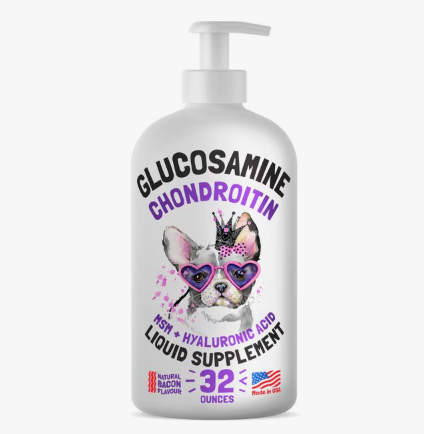
9.2
Simple to sprinkle over food
Usually flavorless or lightly meaty
Great if you already mix meals or home cook
Allows for easy dose adjustments
Best for: Multi-dog households or custom dosing
We recommend: Annamaet Endure Hip & Joint Dog Powder Supplement
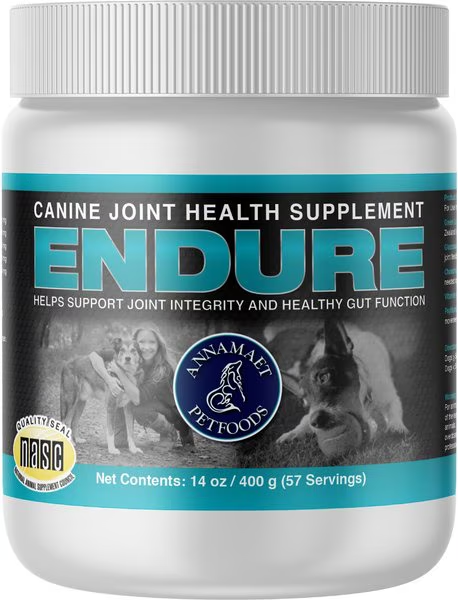
9.6
💡 Pro Tip: Whichever form you choose, consistency matters more than type. Look for vet-approved brands with third-party testing to ensure quality.
This is one of the most common (and important) questions pet parents ask. The right dose of glucosamine for dogs depends mostly on your dog’s weight—but also their age, activity level, and joint condition.
| Dog Weight | Starting Daily Dose |
|---|---|
| Under 25 lbs | 250–500 mg |
| 25–50 lbs | 500–1,000 mg |
| 50–90 lbs | 1,000–1,500 mg |
| 90+ lbs | Up to 2,000 mg |
💡 These are typical ranges for glucosamine hydrochloride (HCl), the most common supplement form. Some products may use glucosamine sulfate—dosages may differ slightly.
Important:
Always check the label on your supplement. Some include chondroitin or MSM, which can affect how much glucosamine is needed—or how it’s absorbed.
🩺 Vet Tip:
If your dog has arthritis or is recovering from surgery, your vet may suggest a higher “loading dose” for the first few weeks before tapering to a maintenance dose.
Let’s be real: some dogs will happily devour anything, while others act like you’ve offered them poison wrapped in bacon.
The good news? You’ve got options—and a few sneaky tricks up your sleeve.
Easy Ways to Give Glucosamine for Dogs:
Chews as treats
Many supplements come flavored like bacon, beef, or peanut butter—perfect for treat time.
Mix into meals
Liquid and powder forms blend easily into wet food, bone broth, or home-cooked meals.
Hide it in something delicious
Try wrapping pills in:
Cream cheese
Peanut butter
Pill pockets
A slice of lunch meat
Turn it into a ritual
Give the supplement the same time every day—after a walk, before dinner, or during cuddle time. Dogs thrive on routine.
Got a supplement snob? Try this:
Warm the food slightly to bring out aromas
Use a small amount of tuna water or low-sodium broth as a topper
Offer a “chaser” treat immediately after
Sometimes, it’s trial and error—but once you find what works, you’re golden. Consistency is key.
While supplements are the most reliable way to ensure your pup gets enough, some foods are naturally rich in glucosamine for dogs—and can be a great addition to their diet.
Just be sure to check with your vet before adding anything new, especially if your dog has allergies or digestive sensitivities.
Dog-Friendly Foods With Glucosamine:
Bone Broth
Slow-simmered bones release natural glucosamine, plus collagen and joint-supporting nutrients. (Just avoid added salt, onions, or garlic.)
Chicken Feet
They’re packed with glucosamine and collagen—but should always be cooked safely (or freeze-dried) and supervised during chewing.
Green-Lipped Mussels
These ocean-sourced gems are a powerhouse of glucosamine, omega-3s, and antioxidants. Available dried, frozen, or as a supplement.
Shellfish Shells
Crustacean shells (like shrimp or crab) contain glucosamine, though they’re usually used in supplement extracts rather than fed whole.
Vet-Smart Reminder:
Natural sources are great add-ons, but they’re not always consistent in dose. For therapeutic benefits, most vets still recommend a daily supplement.
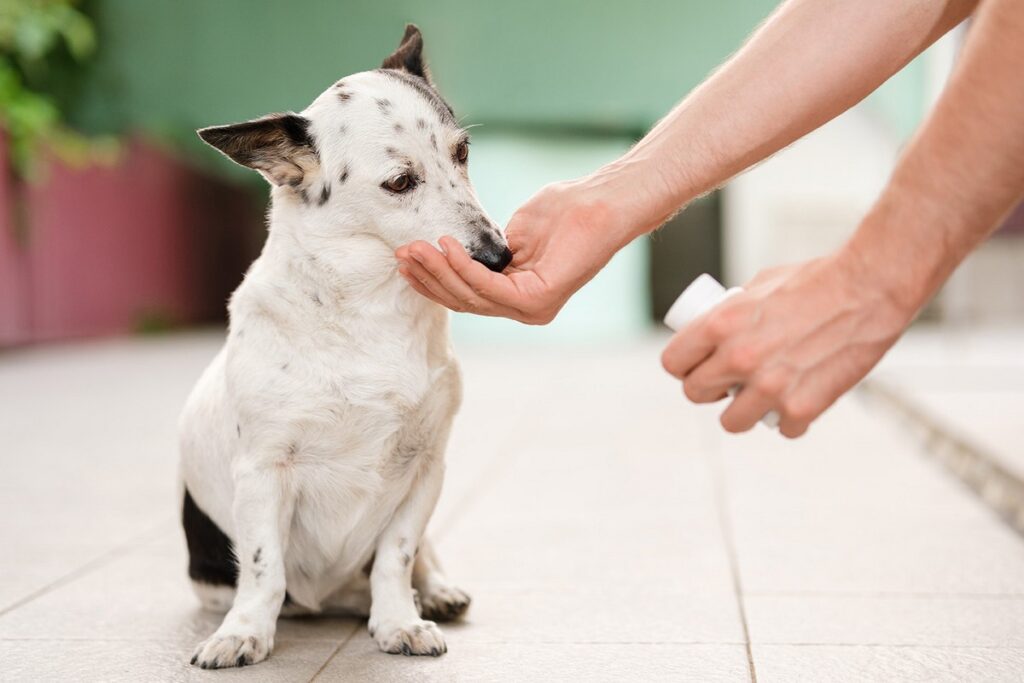
For most dogs, glucosamine supplements are very safe—especially when given at recommended doses. In fact, they’re one of the most commonly used vet-recommended supplements for aging dogs.
But like anything you add to your dog’s routine, it’s smart to know what to expect.
Glucosamine is considered safe when:
Given in appropriate daily doses
Used under veterinary guidance
Sourced from high-quality, tested products
Possible (but rare) side effects:
Mild digestive upset (gas, soft stools)
Increased thirst or urination
Allergic reactions (mainly in dogs with shellfish sensitivities)
These side effects are usually temporary and resolve once the body adjusts or the dosage is tweaked.
When to call your vet:
If your dog vomits after taking it
If diarrhea lasts more than a day or two
If you notice swelling, itching, or labored breathing (rare allergic signs)
💡 Pro Tip: Start with a lower dose for the first few days and increase slowly. Your dog’s body will thank you.
If you’ve been browsing supplement labels, you’ve probably seen glucosamine for dogs bundled with other ingredients like chondroitin, MSM, or omega-3s. So… what do all these actually do? And do you need them all?
Let’s break it down.
Common Joint Support Add-Ons:
Chondroitin Sulfate
Works alongside glucosamine to rebuild cartilage and block enzymes that break it down. Think of it as glucosamine’s bestie.
MSM (Methylsulfonylmethane)
An anti-inflammatory that may help reduce joint pain, especially in dogs with arthritis.
Omega-3 Fatty Acids
Found in fish oil, these reduce overall inflammation and support joint, skin, and heart health.
Turmeric / Curcumin
Natural anti-inflammatory with antioxidant benefits—especially popular in holistic blends.
Should you “stack” supplements?
Yes—when done smartly. Many vets recommend combo supplements because the ingredients work better together. But too much of anything can backfire, so:
Choose one well-balanced product rather than piling on multiple supplements
Look for vet-formulated blends with third-party testing
Always talk to your vet before mixing or adding new items to your pup’s routine
Watching your dog age isn’t easy. But small, thoughtful steps—like adding glucosamine for dogs—can make a world of difference in their comfort, energy, and happiness.
You don’t need to have all the answers today. Just asking, “What can I do to help them feel better?” means you’re already doing something right.
Here’s what you can do next:
Bring up joint support at your next vet visit
Try a glucosamine supplement for 30–60 days and observe changes
Add a little bone broth to meals for a natural boost
Bookmark or share this article with a friend whose pup might benefit too
If this guide helped you, or if you’ve tried glucosamine with your own dog—drop a comment below. Your story could help another pet parent feel less alone in this stage of dog life.