
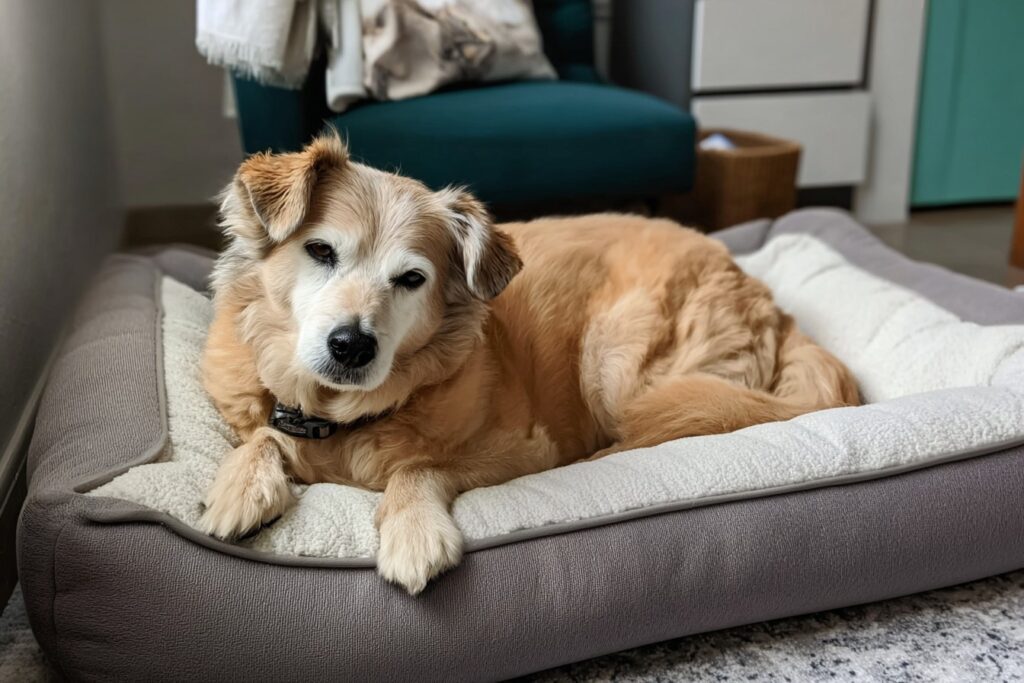
Cognitive dysfunction syndrome has become a boogieman for dog owners. In fact, it’s among the last terms anyone wants to hear at a scheduled vet visit. But it’s a relatively common occurrence, so senior dog owners need to be aware of this condition and all that comes with it.
So, I decided to create a guide centered around this awful topic to help you prepare for a worst-case scenario. It’ll cover everything needed to ensure your senior dog can get through it as smoothly as possible.
💡 Quick Take:
Cognitive Dysfunction Syndrome (CDS) — often called “doggy dementia” — is a progressive brain condition that affects older dogs. It impacts memory, learning, and awareness, leading to confusion, anxiety, and behavioral changes. While there’s no cure, early detection and consistent care can slow its progression and help your senior pup stay comfortable longer.
Why You Should Keep Reading:
Discover the warning signs, treatment options, and ways to support brain health so you can give your aging dog the best quality of life possible — even in the face of CDS.
Canine cognitive dysfunction syndrome, also known as CCD or CDS, is frightening for owners and their dogs. Honestly, every dog-related condition or disease causes anxiety when first hearing about it. But what makes this condition such a scary one?
Well, CDS will affect a dog’s learning capabilities, memory, coordination, and awareness. It ends up taking a massive toll on your senior dog’s brain and overall well-being. It’s pretty similar to the nightmare that humans have to fight with dementia and Alzheimer’s.
That’s why I wanted to cover everything about this condition — from what causes it to how you can manage it. The more you know now, the better prepared you’ll be if your senior dog ever starts showing signs of CDS.
The truth is, scientists are still piecing together the full picture of what causes CDS. Unlike some health issues with a single, clear culprit, CDS seems to be the result of several age-related changes that slowly affect a dog’s brain over time.
Much like Alzheimer’s disease in humans, it’s a complex condition — but researchers are making progress every year. Here’s what we know so far:
Aging brain cells: As dogs grow older, the neurons in their brains begin to die off or lose function. This gradual atrophy affects memory, learning, and coordination.
Protein build-up (beta-amyloid): Dogs with CDS often have an abnormal accumulation of a protein called beta-amyloid in their brains. This buildup interferes with healthy nerve signaling, making it harder for the brain to process information.
Oxidative stress: Over time, the brain is exposed to free radicals — unstable molecules that can damage cells. Antioxidant levels naturally drop with age, which may speed up this process.
Reduced blood flow to the brain: Senior dogs sometimes experience changes in circulation that limit how much oxygen and nutrients reach the brain.
Neurotransmitter decline: Chemicals like dopamine and serotonin — responsible for communication between brain cells — begin to decrease, leading to confusion, anxiety, or mood changes.
All of these factors combine to create the symptoms we associate with CDS: confusion, disorientation, and changes in behavior or personality.
While the exact “why” is still being studied, understanding these possible causes helps us focus on what can be done — supporting your dog’s brain health with the right diet, supplements, and mental stimulation to slow down the process as much as possible.
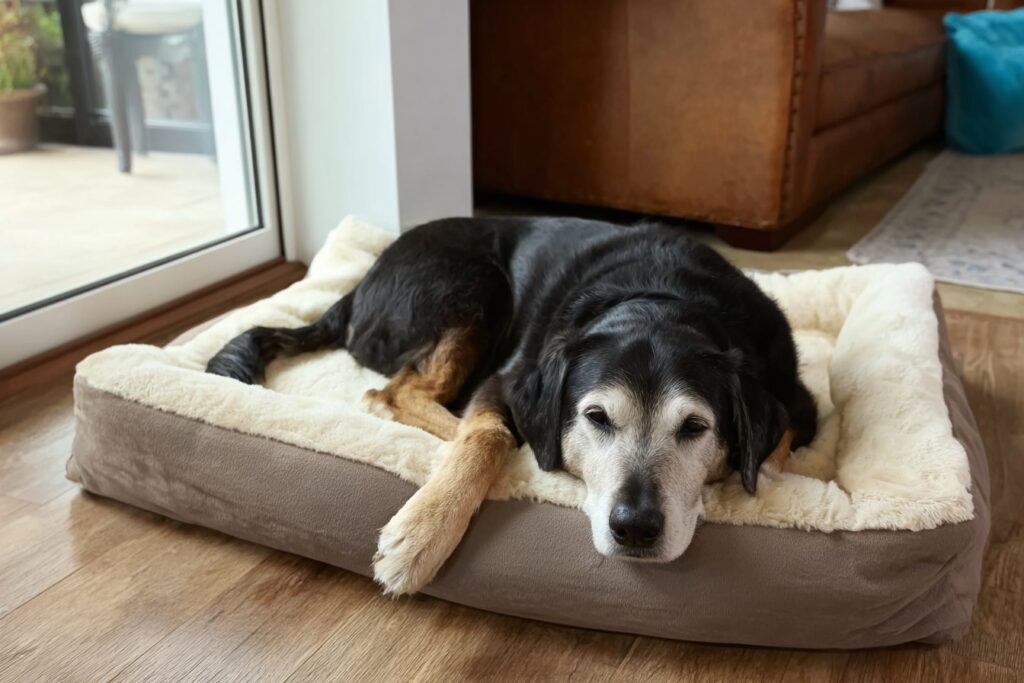
Cognitive Dysfunction Syndrome can sneak up slowly, which makes it easy to mistake for “normal aging.” But while some forgetfulness or slower reactions are expected in senior dogs, CDS goes beyond that. The earlier you recognize the signs, the better chance your pup has at maintaining comfort and quality of life.
Here are some of the most common symptoms dog parents notice:
House soiling: Your once well-trained dog may start having accidents indoors. It’s not defiance — their brain is just having trouble remembering where to go.
Confusion or disorientation: Dogs with CDS might wander aimlessly, get “stuck” in corners, or seem unsure of familiar surroundings.
Anxiety or restlessness: You may notice increased pacing, panting, or trouble settling down — especially at night.
Changes in social behavior: A once affectionate dog may seem distant, less playful, or uninterested in greeting family members.
Sleep-wake cycle disruption: Some dogs become more vocal or active at night, then sleep during the day.
Loss of interest in favorite activities: Walks, treats, and toys that once brought joy might no longer spark excitement.
Weakened senses: Diminished hearing, vision, or smell can make the world more confusing and stressful for them.
Keep in mind that many of these signs can overlap with other medical issues, such as arthritis, vision loss, or thyroid problems. If your dog shows any combination of these behaviors, it’s always best to check in with your vet.
Early recognition gives you time to explore treatments, enrichment options, and lifestyle adjustments that can make a huge difference for your senior companion.
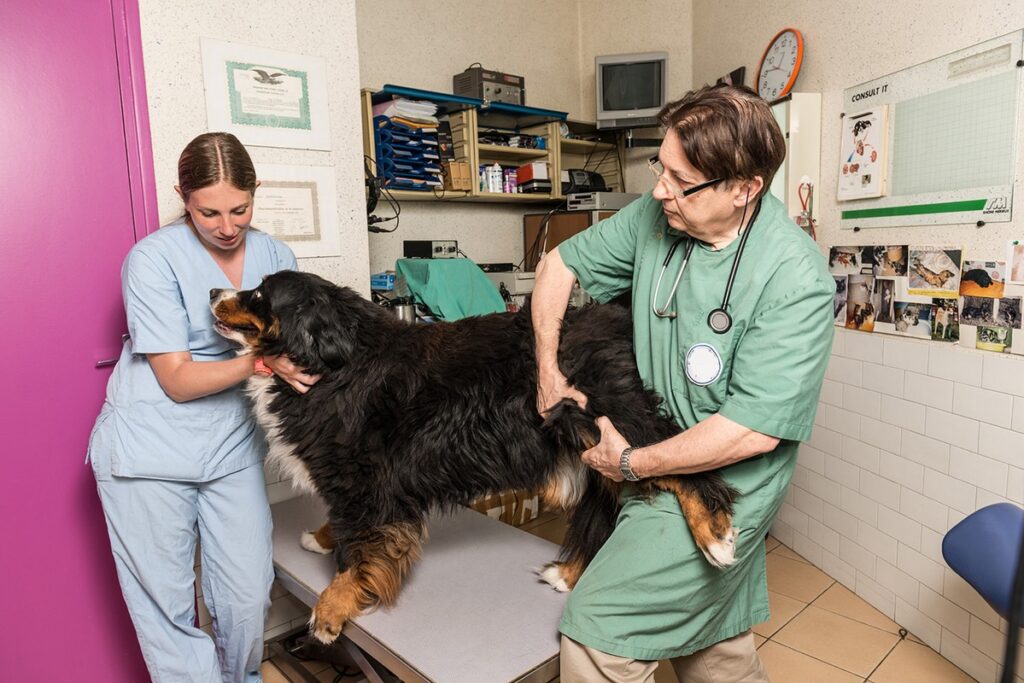
f you’ve noticed changes in your senior dog’s behavior — confusion, restlessness, or accidents indoors — your next step should always be a visit to the vet. While it’s easy to jump to conclusions about CDS, several other health issues can mimic its symptoms, so a thorough checkup is key.
Here’s what to expect during the process:
Detailed history: Your vet will ask for a complete overview of your dog’s recent behavior. It helps to jot down specific changes — like when your dog started pacing or forgetting familiar routines.
Physical and neurological exams: These exams help rule out other conditions such as vision loss, hearing decline, arthritis pain, or thyroid issues that could explain the symptoms.
Lab work: Blood tests, urinalysis, and thyroid panels provide insight into your dog’s overall health and help your vet identify or eliminate other medical causes.
Imaging (sometimes): In certain cases, advanced diagnostics like CT scans or MRIs are recommended to look at the brain more closely.
Behavioral evaluation: Your vet may also use a cognitive assessment or questionnaire to measure your dog’s memory, learning, and awareness levels.
Once everything is reviewed, your vet can determine whether the signs point to Cognitive Dysfunction Syndrome or another treatable issue.
💡 Pro tip: If you see subtle changes, don’t wait for them to get worse. Early detection not only helps with diagnosis but also gives your dog the best chance to benefit from supportive care, diet changes, and enrichment strategies that can truly improve their quality of life.
While there’s no outright cure for Cognitive Dysfunction Syndrome, the good news is that you can do a lot to slow its progression and make life easier for your senior dog. Treatment focuses on improving brain function, reducing anxiety, and maintaining as much normalcy and joy as possible.
Here’s what your vet might recommend — and what you can do at home:
🐶 Medication (Anipryl):
The only FDA-approved medication for CDS is Anipryl (selegiline hydrochloride), which is also used in humans with Alzheimer’s. It works by boosting dopamine levels in the brain to improve alertness and reduce confusion. Not every dog is a good candidate, so talk with your vet about whether it’s right for your pup and what side effects to watch for.
🥗 Brain-Healthy Diet:
A balanced diet rich in antioxidants, omega-3 fatty acids, and vitamins E and C can support brain health and combat oxidative stress. Some senior dog foods are specially formulated for cognitive support — your vet can help you find one that fits your dog’s needs.
🧩 Mental & Physical Stimulation:
Keep your dog’s mind active with enrichment games, puzzle toys, scent-based play, and gentle training refreshers. Even short walks, car rides, or sniffing new areas can help engage their brain and lift their mood.
🌿 Supplements:
Certain supplements — such as SAMe (S-Adenosylmethionine), medium-chain triglycerides (MCTs), or fish oil — may offer cognitive benefits. But it’s crucial to check with your vet before adding anything new to your dog’s routine.
🏡 Stable, Stress-Free Environment:
Consistency is key. Keep furniture in the same place, maintain predictable feeding and walking schedules, and ensure your dog has cozy, well-lit spaces to rest. Nightlights can also help reduce confusion after dark.
💖 Remember: Even small changes can make a big difference. Regular mental exercise, a healthy diet, and a calm environment can all help your senior dog stay happy, engaged, and comfortable — even as CDS progresses.

Hearing that your dog has Cognitive Dysfunction Syndrome can feel overwhelming — but take heart: a diagnosis doesn’t mean your time together is coming to an immediate end. Many dogs with CDS continue to live happy, comfortable lives for years with the right care and support.
The progression of CDS varies from dog to dog, but here’s what most owners can expect:
⏳ Early Detection = Longer Comfort:
Dogs diagnosed early and started on treatment right away often maintain good quality of life for several years. Medications, brain-boosting diets, and mental enrichment can all help slow cognitive decline.
💪 Moderate to Advanced Stages:
As symptoms become more noticeable — such as increased confusion, anxiety, or restlessness — your vet may adjust your dog’s care plan. Regular check-ins are key to keeping them comfortable and adapting treatment as needed.
🌈 Severe Cases:
In some cases, CDS can progress quickly, especially if it’s left untreated or mistaken for “normal aging.” Sadly, some dogs may face serious decline within a year or two after symptoms begin. In these moments, your vet can help you assess your dog’s comfort and discuss options with compassion and care.
No matter where your dog is in the journey, your love, patience, and consistency will make all the difference. Focusing on quality of life over quantity of years helps ensure your senior pup feels safe, loved, and supported every single day.
🐾 Bottom line: With early intervention, regular vet care, and plenty of mental stimulation, many dogs with CDS can continue to enjoy their golden years — wagging tails, cozy naps, and all.
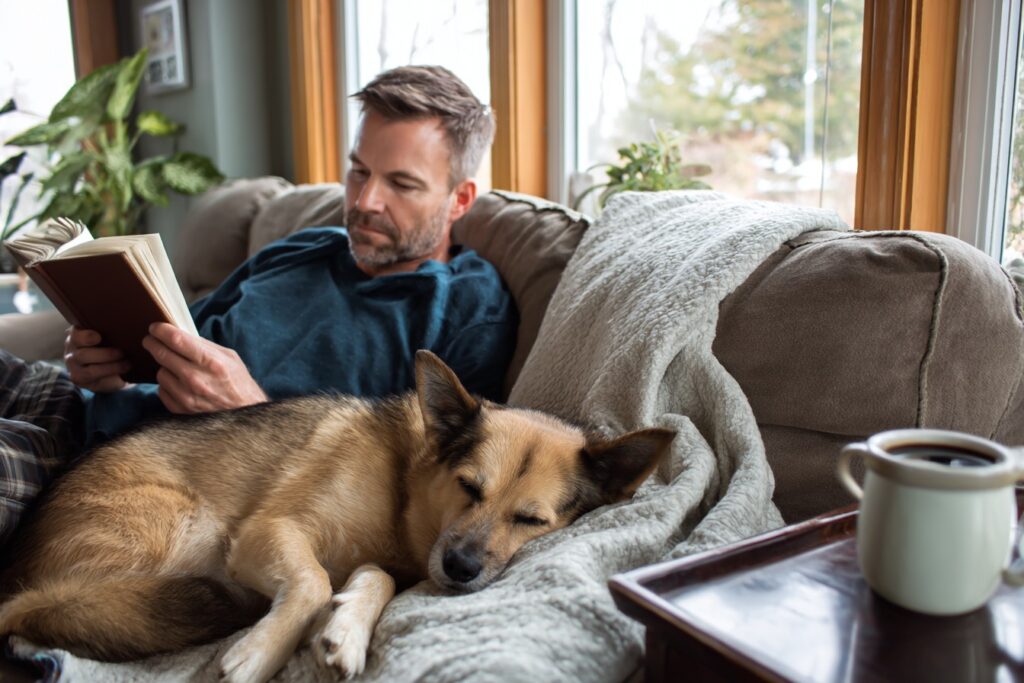
Cognitive Dysfunction Syndrome is one of those diagnoses no pet parent ever wants to hear — but knowing what it is and how to manage it can make a world of difference. While you can’t turn back the clock, you can help your senior dog live each day with comfort, dignity, and love.
Early awareness, consistency, and a little extra patience go a long way. Keep their environment calm and predictable, feed their brain with good nutrition, and never underestimate the power of gentle play or a familiar voice.
Even on the harder days, remember this: your dog still knows your love. That bond — built over years of shared walks, treats, and tail wags — doesn’t fade with time or memory loss. It simply changes shape.
💖 The best gift you can give your senior dog is presence — your care, your understanding, and your heart.
With those in place, even the toughest moments of CDS can be filled with comfort and connection.
Have you gone through Cognitive Dysfunction Syndrome with your own dog? I’d love to hear your story or tips in the comments — your experience could help another pet parent feel a little less alone.